CRISIS AND EMERGENCY CONTEXTS: RESILIENCE IN ADVERSITY
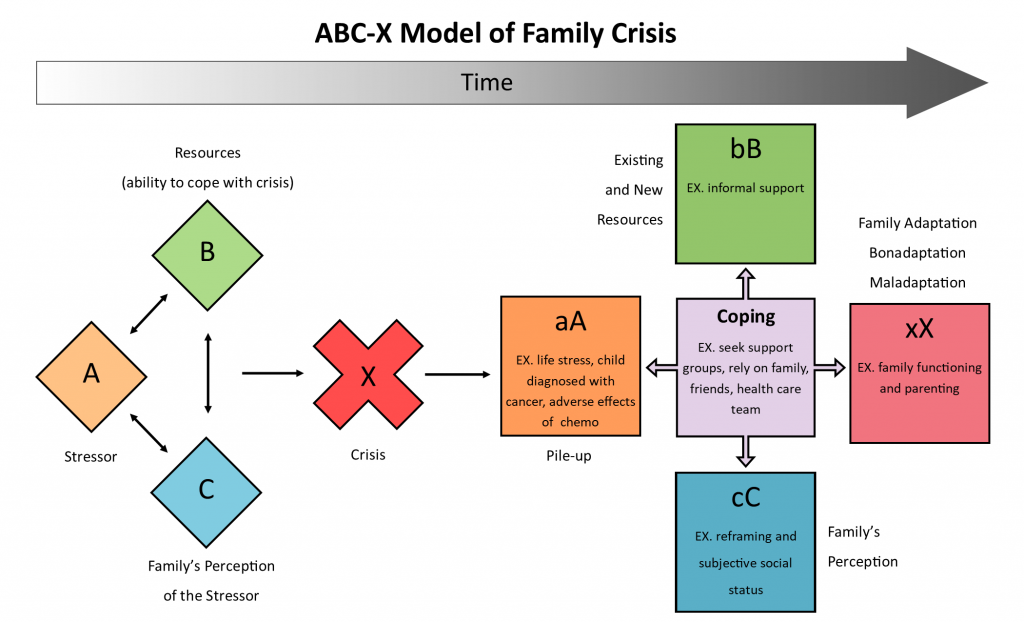
Theoretical Framework: Family Stress Model & Resilience Theory
Crisis management in early childhood is understood through the Family Stress Model (Conger et al., 2010). This model explains how external pressures (financial loss, disasters, or pandemics) affect children's wellbeing through parental stress and disrupted caregiving.
The Power of Resilience
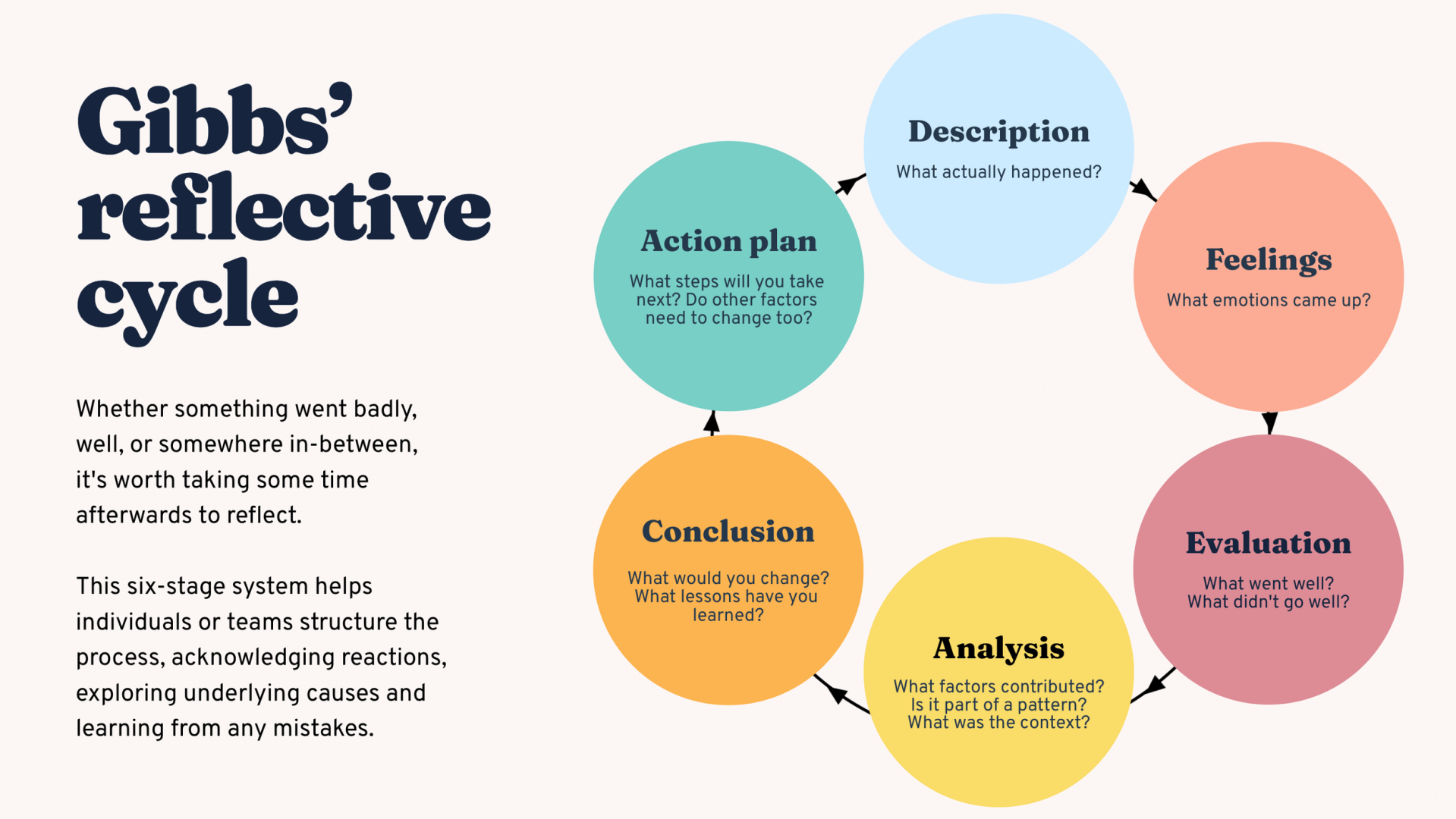
We apply Grotberg's Resilience Theory, focusing on the "I AM, I HAVE, I CAN" framework. Our role as educators is to strengthen the "I HAVE" (external support and resources) to help children navigate through the "I AM" (internal strength) during times of crisis.
Continuity of Care
In time of emergency, the early childhood center serves as a "Zone of Stability." Maintaining predictable routines is a pedagogical tool for reducing cortisol levels in children experiencing external chaos.
Impact: Vulnerability and Support Systems
Crises often disproportionately affect the most vulnerable families.

Disruption of Learning
Emergencies may result in extended absences from early learning environments. According to the United Nations (2020), extended disruptions in ECEC lead to significant “learning loss,” especially in social development and emerging literacy. These gaps may be difficult to close once the crisis has passed, affecting school readiness.

Psychological Impact
During and after a crisis, children may exhibit "regressive behavior" (such as returning to bed-wetting or thumb-sucking) or increased separation anxiety. The study by O'Connor et al. (2020) shows that the loss of predictable routines during emergencies triggers heightened stress responses, which can manifest as emotional dysregulation or withdrawal.

The "Safety net"
The ECEC sector serves as a vital frontline support system. For many families, educators are the main primary point of contact for stability. As noted by the Australian Institute of Family Studies [AIFS] (2021), early childhood services are often the first to identify families in need of emergency intervention, domestic violence support or mental health referrals, acting as a bridge to essential community services.
Australian Policy: Emergency Management & NQS QA2
Australia has rigorous frameworks to handle both physical and social emergencies:
NQS Element 2.2.2 (Emergency Management): Requires that "plans to manage incidents and emergencies are developed and implemented, and are practiced at least every three months"
National Disaster Risk Reduction Framework: Guidance for ECEC services on preparing for bushfires, floods, and health emergencies (like the COVID-19 pandemic response).
Child Safe Standard 9: Physical and online environments are documented and managed to minimize the risk of harm during emergencies.
Strategic Implementation (5 Evidence-Based Strategies)

Crisis Communication Plans
We establish clear, multilingual communication channels (Apps, SMS, Email) to ensure equitable access to information. According to ACECQA (2023), effective communication during a crisis reduces parental anxiety and ensures that safety procedures are consistently followed by the entire community.
BasEmergency Rehearsal Pedagogyic
Mandatory drills (fire/lockdown) are transformed into "play-based learning" experiences. By using age-appropriate language and social stories, we empower children with agency and knowledge, reducing the "fear factor" associated with emergencies (National Child Safety Standard 8)

Trauma-Responsive Curriculum
Post- crisis, we prioritize “Circle of Security” practices to re-establish trust. Based on Emerging Minds (2021), we provide children with a safe space to process their experiences through "Therapeutic Play" and creative arts, allowing them to express complex emotions.

Community Resource Mapping
We maintain a dynamic directory of local emergency services, food banks and mental health clinics. This proactive mapping ensures that the center can provide a “Warm Referral” to families in distress, fulfilling our role as a community hub (AIFS, 2021).

Educator Wellbeing Educator
We implement a "Peer Support System" and reflective monitoring for staff. Recognizing the risk of Secondary Traumatic Stress, we utilize frameworks from Be You (2024) to ensure educators maintain their own mental health, which is a prerequisite for providing high-quality co-regulation for children.
Create Your Own Website With Webador