Economic Contexts: Challenges and Opportunities in Early Childhood
Understanding the Context
In the contemporary Australian social context, the economic context of a family is one of the most influential factors
shaping factors for children's development. Socio-economic status is not merely household
income, but access to essential
resources, including: nutritious food, stable housing, health services and high-quality educational opportunities.
Currently, Australia is facing the cost of living crisis. "Housing Stress" has become a national problem as rents skyrocket, forcing many families to choose between paying rent and providing extracurricular activities for their children. For children under five years old, economic instability can lead to "toxic stress", which may disrupt neurodevelopment and the ability to regulate emotions.
Theoretical Framework:
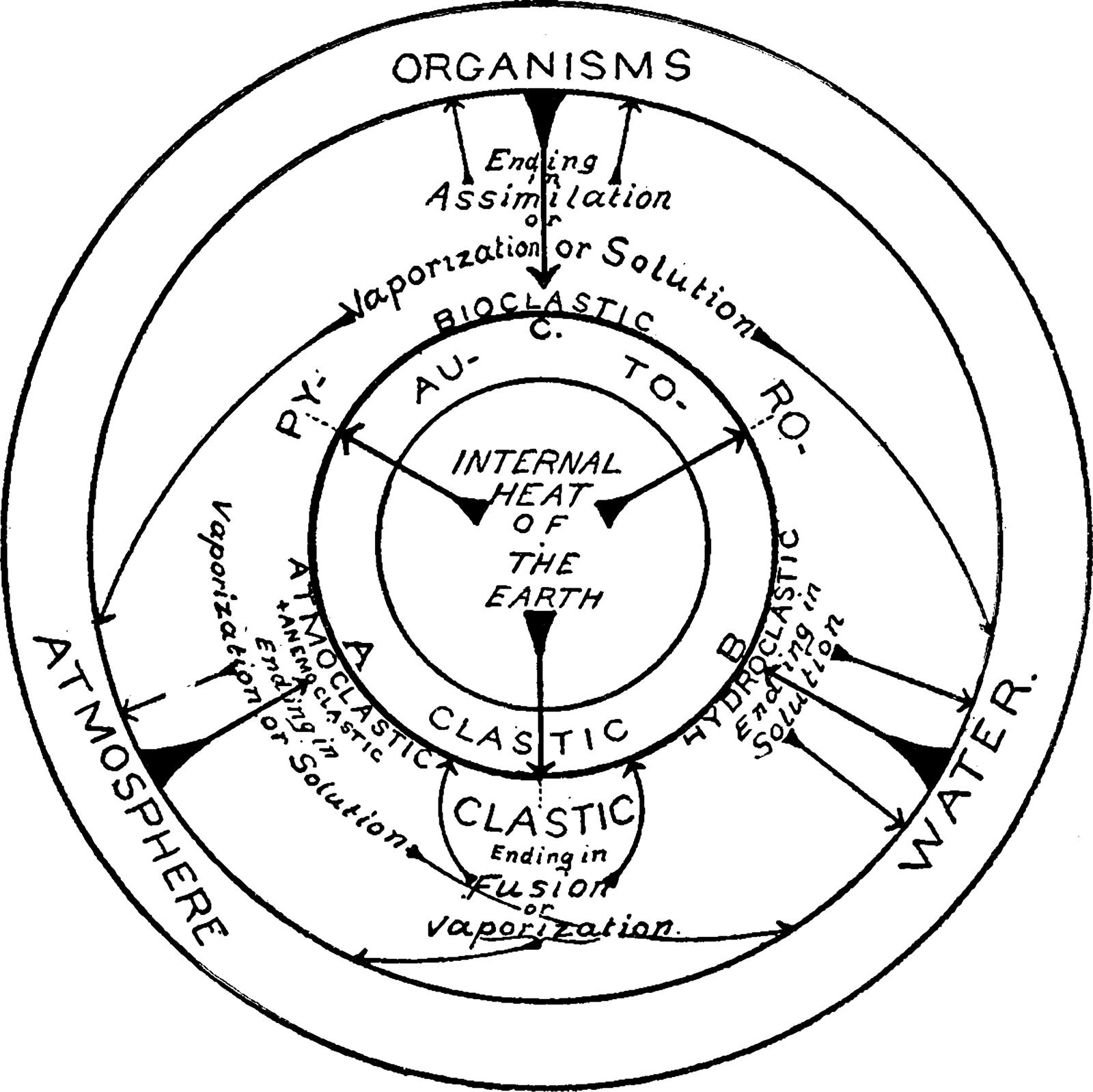
The economic context is best understood through Bronfenbrenner’s Ecological Systems Theory.While economic factors—such as the labor market and government subsidy policies—originate in the Exosystem, .
However, it directly affects the Microsystem (home environment), changing the way parents interact with their children.This financial pressure often shifts parental stress levels and changes the quality of day-to-day interactions between parents and children.
In addition, Pierre Bourdieu’s Theory of Cultuaffluent backgrounds often enter the education system with "inherited capital" (such as linguistic styles and social familiarity with school norms). This advantage can create an "achievement gap" right from the starting line. Without timely and equitable intervention from educators, this gap can widen, making it essential for teachers to recognize and mitigate these socio-economic disparities.
Impact on Children and Families
Poverty and financial hardship have a multi-dimensional impact on children's development:
• Health and Physical Wellbeing:
Nutritional deficiency in the first 2000 days of life leads to significant growth issues and a diminished ability to concentrate.According to the Australian Institute of Health and Welfare (AIHW), children in low-income households are at a higher risk of long-term health inequities due to limited access to fresh, nutritious food.
• Cognitive Development: Studies show that children from low-income families are often exposed to a smaller vocabulary and have fewer opportunities to participate in resource-rich learning environments at home.
• Mental Health and Emotional Wellbeing:
Financial pressure makes parents prone to anxiety and depression, which in turn reduces the quality of "serve and return" interactions. This disruption can negatively affect the formation of secure attachment, a foundational element for resilience and emotional regulation as outlined in the Early Years Learning Framework (EYLF V2.0).
For early childhood education services, this context requires a change in approach: moving beyond traditional teaching toward holistic support. This
includes the critical ability to identify signs of neglect or malnutrition linked to economic hardship.
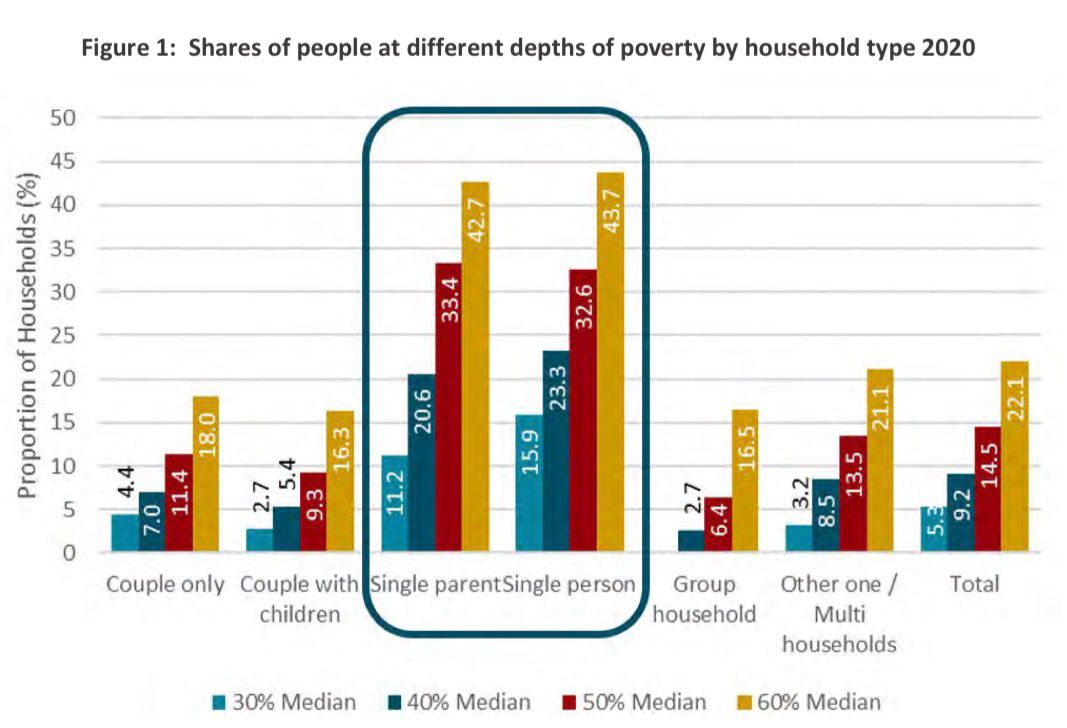
As shown in the chart from the report of ACOSS and UNSW, children are the most vulnerable group to economic fluctuations. The child poverty rate in Australia is currently maintained at about 16.7%, which is significantly higher than the national average. This proves that one in six Australian children has to live in a lack of resources.
For early childhood educators, this figure is not only a dry statistic, but a reminder of the responsibility to provide Equity-as guided by the EYLF V2.0 , to ensure that every child has the opportunity to thrive, development regardless of the family's financial background."
Social policy and Australian Responses
The Australian Government has implemented strong measures to minimize the impact of financial hardship on early childhood development through various welfare and education policies:
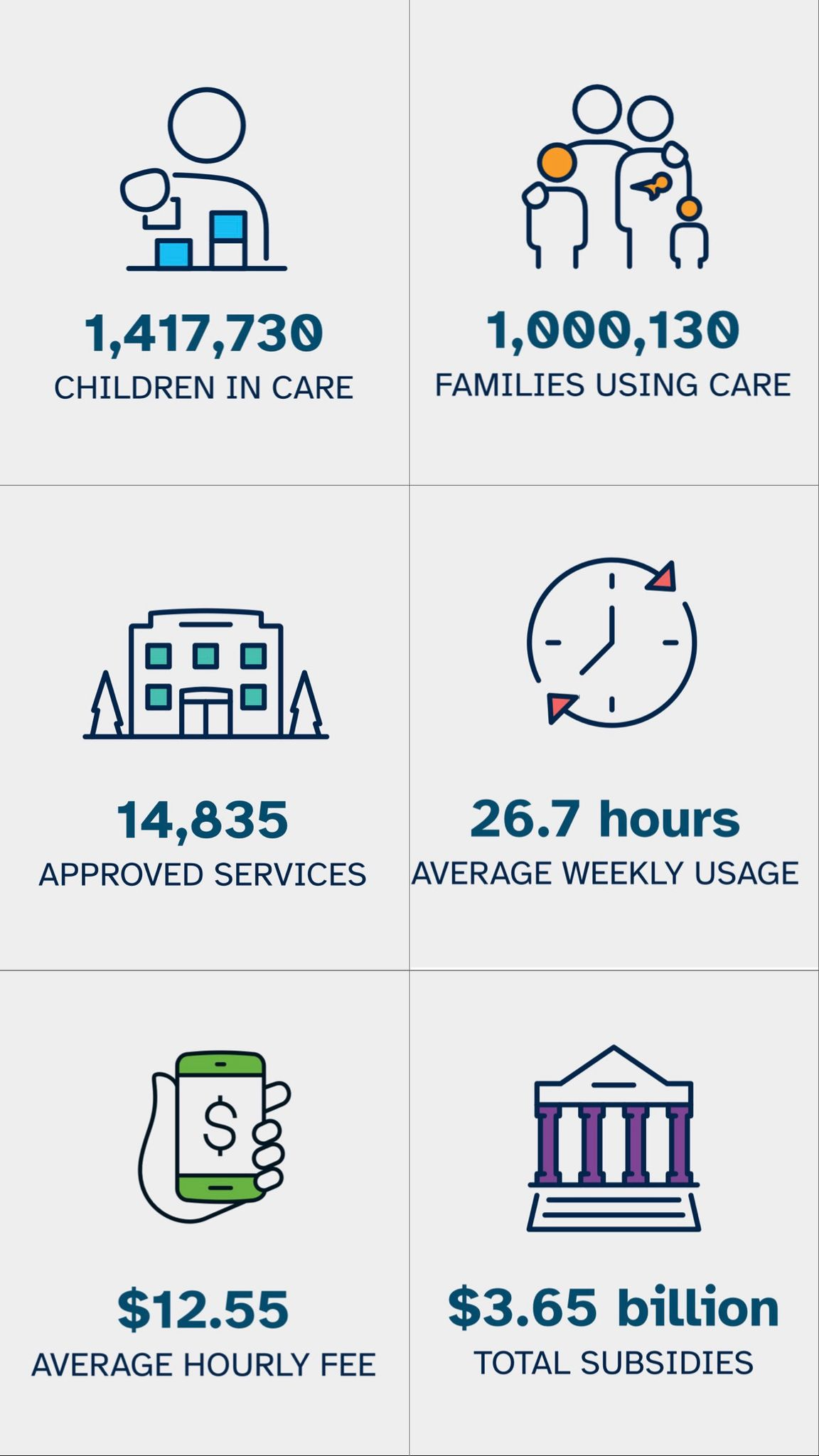
Child Care Subsidy (CCS) Reforms (2024-2026): Recent legislative changes have significantly increased the maximum CCS rate to 95% for families with income under a specific threshold (approximately $80,000 per annum). This policy change aims to ensure that high quality Early Childhood Education and Care (ECEC) is accessible right for all, rather than a privilege reserved for those on high incomes earners (Services Australia, 2024).
Empirical Data on Child Poverty: According to the Australian Institute of Health and Welfare (AIHW, 2024), approximately of Australian children (roughly one in six) are living in households below the median income line. This alarming statistic serves as a catalyst for policymakers to prioritize “Closing the Gap” initiatives, especially in low socioeconomic areas, rural, regional and urban areas, where resources are often scarce.

Evidence-Based Strategies for Practice
To support children and families through economic adversity, educators should implement these five practical strategies:
1. Trauma-Informed Practice: Educators must recognize that "challenging" behaviors, such as aggression or social withdrawal, may be symptoms of environmental stress rather than innate traits. By adopting a trauma-informed lens, teachers provide empathy and emotional regulation support instead of punitive discipline (Be You, 2024).
2. Resource Lending Library: Centers can set up a "Story Sack" or toy library system. This allows children to take home high-quality books and educational kits for free, ensuring that the "home learning environment" remains rich regardless of the family's ability to purchase materials.
3. Community Hub Connection: The ECEC center acts as an important "bridge". Educators should be knowledgeable about local support systems, such as The Smith Family or Foodbank Victoria, to discreetly guide parents about financial support, food relief or counseling services.
4. Inclusive and Sustainable Curriculum: By using recycled materials (loose parts) or natural elements for play-based learning, educators eliminate the hidden costs of education. This ensure that no child feels excluded because their family can not contribute expensive craft supplies or "voluntary" fees for special events.
5. Strengths-Based Partnership with Families: Building trust through non-judgmental communication is essential. Educators should understand that late arrivals or delayed fees might be due to systemic barriers - such as unreliable public transport or working multiple jobs - rather than a lack of commitment to a child's education (EYLF V2.0, 2022).
Alignment with the Early Years Learning Framework (EYLF V2.0)
Understanding and responding to the economic context is at the heart of the EYLF V2.0 (2022) principles and outcomes:
Principle: Equity, Inclusion, and High Expectations: Educators are tasked with providing equitable opportunities for all children to achieve the five learning outcomes. This means allocating more resources to those who need them most to ensure no child is left behind due to their financial background.
Principle: Cultural Safety: A culturally safe environment is one where a family's socioeconomic status is respected and they are not subject to stigma or discrimination often associated with poverty.
Outcome 1: Children have a strong sense of identity: When children feel safe and supported in an environment that acknowledges their reality, they develop the resilience and self-confidence necessary for lifelong learning.
Professional Reflection
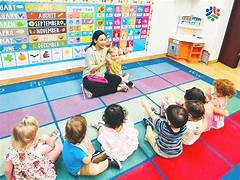
As an educator, I have come to realize that equity is not about treating every child the same; it is about providing every child with exactly what they need to have an equal chance at success. When faced with a family in financial crisis, my primary mission is to create a 'safe haven' within the center—a place where the child is well-fed, deeply heard, and fully engaged in growth, shielded from the heavy burdens of the adult world. My role is to advocate for the child’s right to a carefree childhood, irrespective of the numbers on a bank statement.
Create Your Own Website With Webador