HEALTH AND WELLBEING CONTEXTS: NURTURING THE WHOLE CHILD
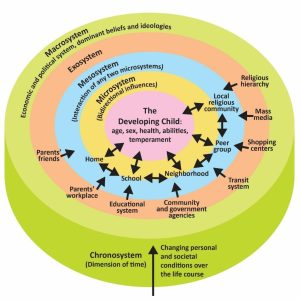
Theoretical Framework: The Bioecological Model
To understand health in early childhood, let's look through the lens of Bronfenbrenner's Bioecological Systems Theory. A child's wellbeing is influenced by nested systems - from their biological habits and immediate family to broader societal health policies and environmental safety.
Figure 1: Bronfenbrenner’s Bioecological Systems Theory illustrating the multi-layered influences on a child's health and wellbeing.
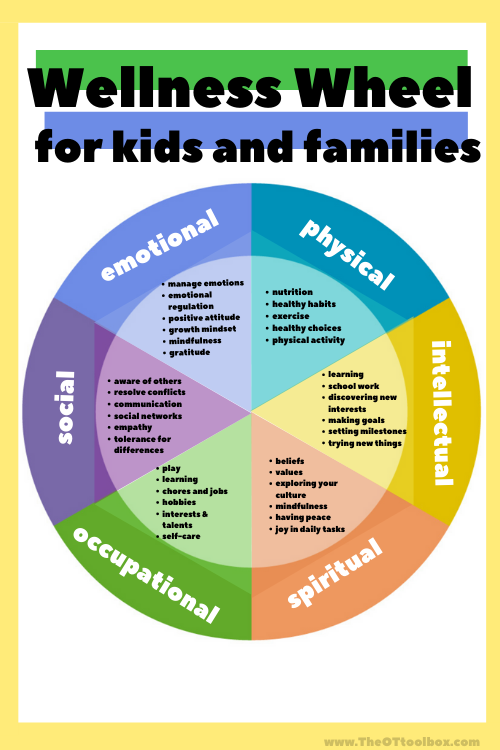
Holistic Wellbeing
We adopt a holistic perspective where physical health, spiritual safety, and mental wellbeing are interconnected. According to Seligman's PERMA model, wellbeing in the early years is built through positive emotions, engagement, and a sense of accomplishment in the learning environment.
Figure 2: The interconnected dimensions of holistic wellbeing in early childhood.
Neuroscience and Wellbeing
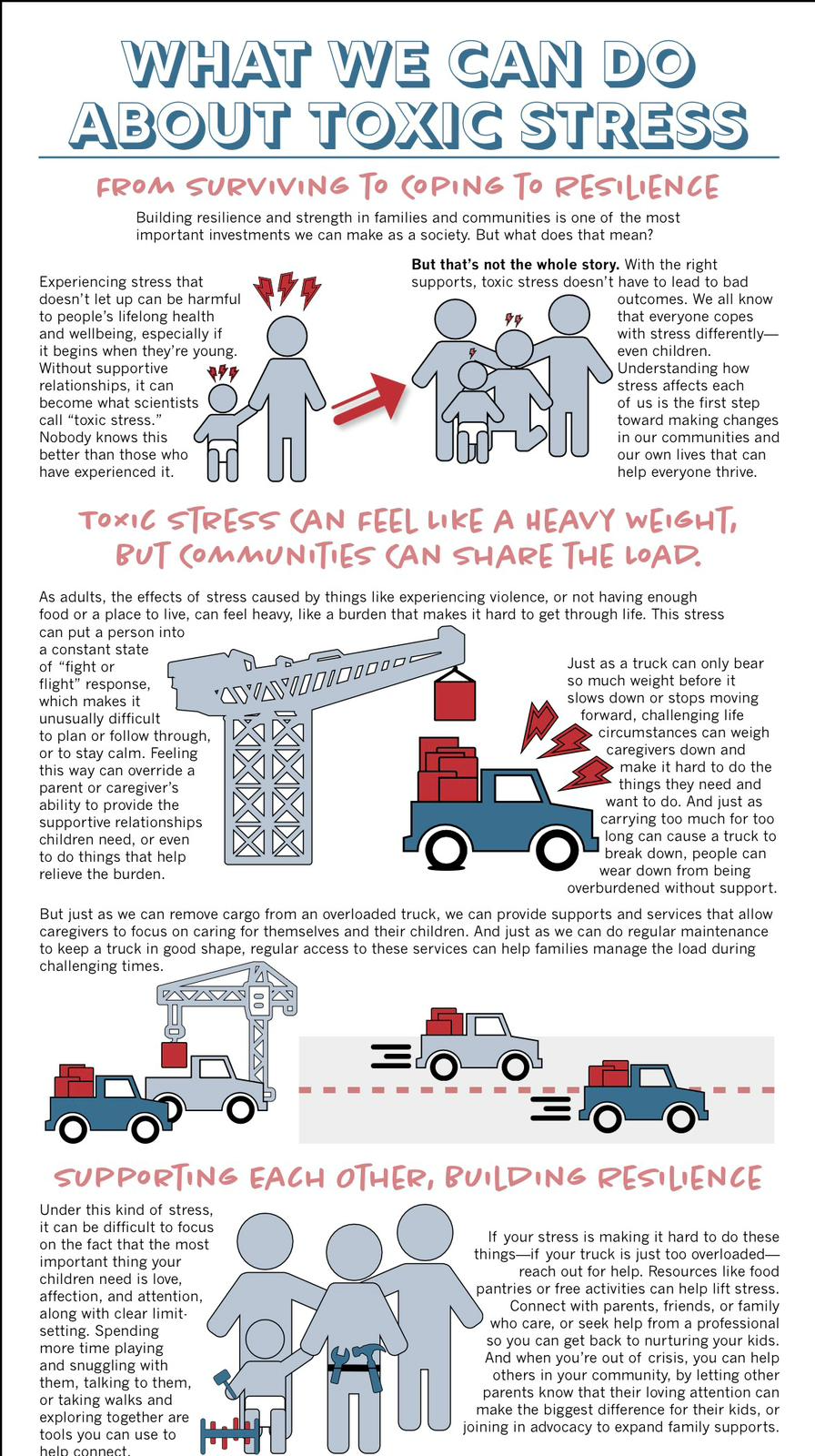
Research in neuroscience highlights that “toxic stress” caused by poor health or unstable environments can physically alter brain structure. Therefore, early childhood centers serve as important "buffers" that provide the stability necessary for healthy brain development (Child Development Center, 2024).
Figure 3: The impact of supportive environments vs. toxic stress on early brain architecture (Source: Center on the Developing Child).
Impact: The Foundation for Lifelong Learning
Health and wellbeing are the "gatekeepers" of learning. A child who is hungry, anxious or unwell cannot participate effectively in the curriculum or build meaningful relationships with peers.

Physical Health
The first five years are a critical window for physiological development. According to Marmot (2010), social determinants of health established in early childhood – such as nutrition and physical activity – set the lifelong trajectory for adult health outcomes, including the prevention of chronic diseases.

Mental Health & Resilience
Social-emotional wellbeing is the foundation of cognitive function. When children feel safe, they can develop the "executive function" skills needed to manage emotions and develop empathy (Shonkoff, 2017). Building resilience in the early years acts as a protective factor, allowing children to "bounce back" from life's inevitable challenges.

Trauma-Informed Practice
For children coming from contexts of adversity, the center must function as a "healing space". Building on the work of Hunter (2021), trauma-informed environments prioritize emotional safety and predictable routines. This approach changes the educator's perspective from asking "What is wrong with this child?" To "What has this child been experienced?", ensuring that our pedagogy supports nervous system regulation.

Australian Policy: NQF Quality Area 2 & The Child Safe Framework
Health and safety in Australian Early Childhood Education and Care (ECEC) are more than simply operational tasks; They are strictly regulated legal requirements designed to ensure the highest standards of protection and wellbeing.
National Quality Standard (NQS) - Quality Area 2: Children’s Health and Safety
Quality Area 2 of the NQS mandates that every child’s health and safety are safeguarded and promoted at all times. This is divided into two key standards:
Standard 2.1 (Health)
Each child's health and physical activity are supported and promoted. This is not just about hygiene; it requires educators to actively promote Healthy Eating and Physical Activity as part of the daily curriculum.
Standard 2.2 (Safety)
Every child is protected. This involves rigorous risk assessment, the management of injury and illness, and ensuring that "every reasonable precaution is taken to protect children from harm and danger" (ACECQA, 2023).
Implementation: Centers must maintain detailed records of medical conditions (e.g. Anaphylaxis or Asthma management plans) and ensure all staff are trained in emergency response.
The National Child Safe Standards: A Culture of Safety
Following the Royal Commission into Institutional Responses to Child Sexual Abuse, Australia implemented the 11 National Child Safety Standards (often condensed to 10 in some states).
Leadership and Governance
Child safety is not just a policy on the shelf; it must be embedded in the center's leadership and culture. This includes "Child Safe Recruitment" activities and ensuring that children and families are informed of their rights.
Empowerment
A key component is Standard 2, which focuses on empowering children to participate in decisions that affect them and ensuring they know how to raise concerns about their own safety.
Munch & Move and State-Based Health Initiatives
To combat rising rates of childhood obesity and sedentary behaviour, Australian ECEC services integrate state-led initiatives such as Munch & Move
Key principles
These policies encourage centers to promote water as the primary drink, support breastfeeding and minimize small screen recreation time.
Fundamental Movement Skills (FMS)
A core requirement is the daily integration of FMS - such as jumping, hopping and throwing - into play-based learning. This ensures that physical health is developed through active, deliberate teaching rather than just "free play" (NSW Health, 2024).
Strategic Implementation (5 Evidence-Based Strategies)
Trauma-Informed Pedagogy
Implementing “Zones of Regulation” to help children identify and manage their emotions. We provide "quiet spaces" where children can self-regulate when feeling overwhelmed.
Nutritional Education & Food Literacy
Beyond providing healthy meals, we engage children in "Paddock to Plate" experiences—growing vegetables in our garden and involving them in simple food preparation (ACECQA, 2023).
Fundamental Movement Skills (FMS)
Designing outdoor environments that challenge children to climb, jump and balance, fostering physical confidence and developing motor skills.
Sun Safety & Hygiene Practices
Embedding daily habits such as a "Slip, Slop, Slap" sun protection policy and independent handwashing, making health a natural part of a child's autonomy.
Partnerships with Health Professionals
Working with Speech Pathologists, Occupational Therapists and Child Health Nurses to provide early intervention and support for children with additional health needs.
Professional Reflection
I believe that a child's wellbeing is the foundation on which all learning develops. In my practice, I prioritize emotional 'safety' as much as physical 'safety'. Reflecting on Quality Area 2, I realized that every habit - from mealtime to handwashing - is a pedagogical opportunity to teach self-care and respect for one's body. By nurturing resilience and health literacy today, I am helping children build the foundation for a flourishing life
Create Your Own Website With Webador